About Dr. John Health Plans Blog Contact Book an Appointment
Stride
Conditions We Treat

Plantar Fasciitis Treatment
in San Mateo

Hands-on plantar fasciitis relief using Active Release Therapy, myofascial release, and targeted exercise therapy — addressing the tight calf, weak arch, and movement pattern actually causing your heel and foot pain.

91+ Five-Star Reviews
No Drugs or Surgery
16+ Years Treating Foot & Lower Body Pain
Serving San Mateo Since 2010
Plantar Fasciitis

Plantar fasciitis relief that
starts with the real cause

Plantar fasciitis is almost never just about the bottom of your foot. In most cases, it's tight calf muscles and Achilles tendons pulling on the heel, combined with weak intrinsic foot muscles that let the arch collapse under load every time you take a step — often aggravated by a sudden jump in mileage, hours spent standing on hard floors, or worn-out footwear.

Because of that, effective plantar fasciitis treatment has to address the calf and foot as a system, not just the heel. At High Amplitude Health, care is built around Active Release Therapy and myofascial release therapy for the calf and plantar fascia, paired with a progressive exercise therapy program to rebuild strength and support in the arch. Chiropractic adjusting of the foot and ankle is used when it's needed, but it's rarely the main event.

Many of the patients we see for plantar fasciitis aren't coming in for chiropractic care specifically — they're runners, retail and healthcare workers on their feet all day, and weekend walkers looking for real plantar fasciitis exercises and hands-on relief that gets to the source, not another set of insoles that only manage the symptom.
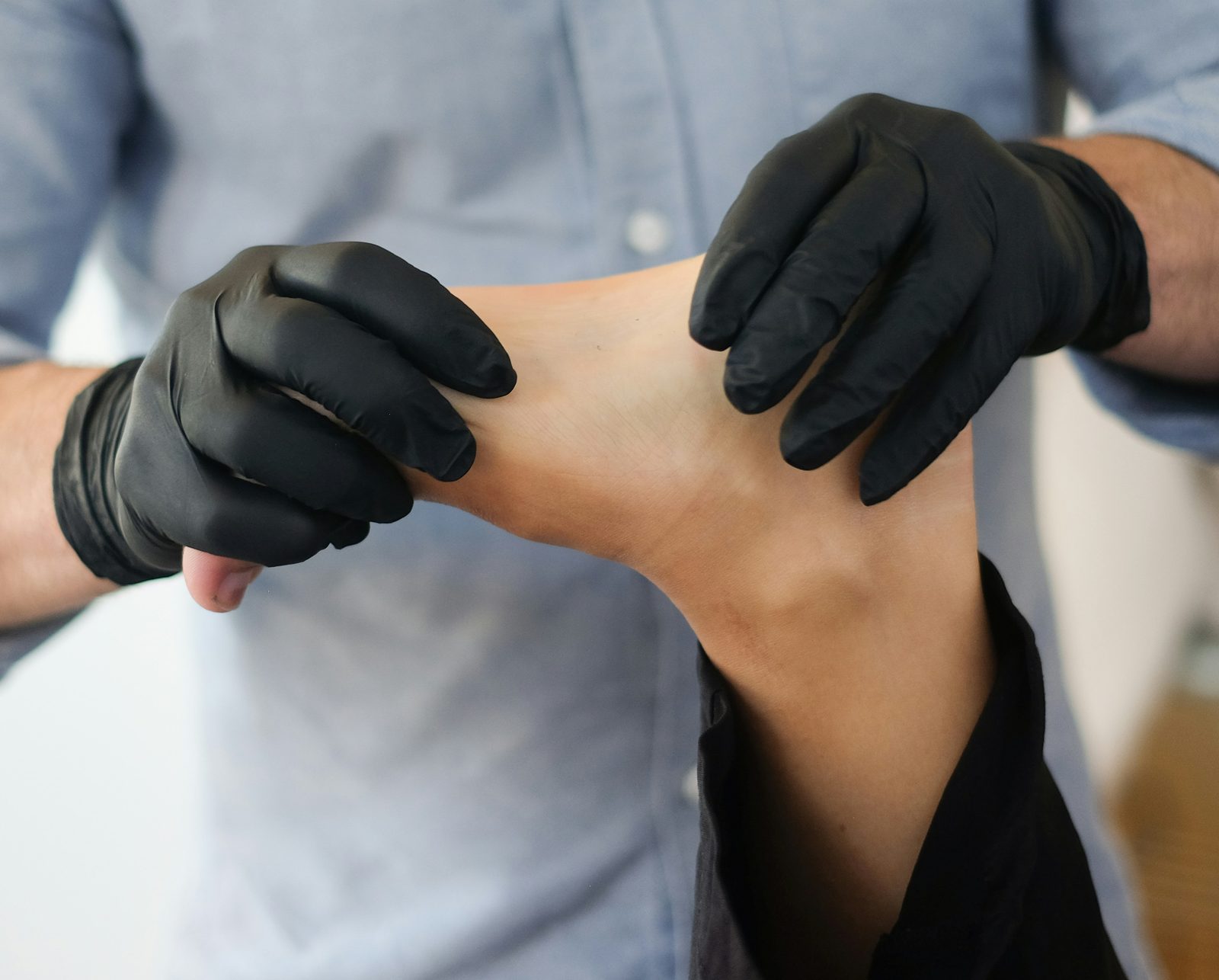
Person receiving plantar fasciitis treatment for heel and arch pain — High Amplitude Health San Mateo
Drug-Free Relief
ART · Myofascial Release · Exercise Therapy
How We Treat It

A complete approach for
lasting plantar fasciitis relief

Active Release Therapy (ART)
ART directly targets the calf, Achilles tendon, and plantar fascia itself — releasing the restrictions that keep pulling on the heel with every step and are the most common driver of ongoing plantar fasciitis pain.
Usually the first line of hands-on treatment for both new and long-standing cases.
Myofascial & trigger point therapy
Sustained pressure through the calf and along the arch reduces the fascia tension responsible for that sharp first-step heel pain in the morning, and calms trigger points that refer pain into the arch and heel.
Especially effective for patients who've had heel pain for months rather than weeks.
Assisted calf & Achilles stretch therapy
Tight calves and Achilles tendons are one of the biggest contributors to plantar fasciitis. Guided, hands-on stretching releases this tension more effectively and more safely than stretching on your own.
We also teach you which stretches to keep doing at home between visits.
Exercise therapy & arch strengthening
Weak intrinsic foot muscles let the arch collapse under load, which keeps re-straining the plantar fascia. A progressive exercise therapy program rebuilds that strength so relief actually holds up once you're back on your feet.
This is the step most people skip on their own — and it's usually what makes relief actually stick.
Gait & footwear guidance
Overpronation, worn-out shoes, and unsupportive footwear all place uneven load on the plantar fascia. We assess how you walk and stand and give practical footwear guidance to reduce the strain going forward.
A simple adjustment here often prevents the pain from simply coming back later.
Chiropractic foot & ankle adjusting
When a restriction in the foot or ankle joint itself is limiting motion and contributing to the strain, gentle chiropractic adjusting is added to restore normal mechanics alongside the soft tissue work.
Used selectively, as part of the plan rather than the main treatment.
Who It Helps

What's causing
your heel and arch pain?

Plantar fasciitis has a handful of common, treatable causes — here's what we see most often in San Mateo patients.

01

Tight calf muscles & Achilles tendon

Shortened, restricted calf muscles pull directly on the heel through the Achilles tendon, increasing tension on the plantar fascia with every single step.

02

Weak intrinsic foot muscles & arch collapse

When the small stabilizing muscles of the foot are weak, the arch flattens under load, over-stretching the plantar fascia with each step rather than sharing the work.

03

Overuse from running or a sudden mileage increase

Runners who ramp up distance or intensity too quickly place repetitive load on the fascia faster than it can adapt.

04

Prolonged standing on hard surfaces

Retail, healthcare, food service, and other jobs that keep you on your feet all day on hard flooring are one of the most common causes of plantar fasciitis we see.

05

Worn-out or unsupportive footwear

Shoes that have lost their cushioning or don't support your specific foot type let the fascia absorb more impact and strain than it's built for.

06

Overpronation

Excess inward rolling of the foot with each step places uneven, repetitive strain on the plantar fascia — often correctable with the right combination of soft tissue work and footwear guidance.

07

Heel spurs

A heel spur is often a byproduct of long-standing fascia tension rather than the actual cause of pain — which is why treating the underlying tightness typically brings relief with or without the spur present.

You don't have to
live with heel pain.

Most patients notice a reduction in that sharp first-step morning heel pain within the first few visits. Dr. John will identify exactly what's driving your plantar fasciitis — and build a plan to fix it at the source.

4–8
Typical weeks to full resolution
91+
Five-star Google reviews

Serving San Mateo, Burlingame, Foster City, Redwood City, Belmont & surrounding areas since 2010.

Book Your First Visit →
About Dr. John Blenio

16 years treating
foot & lower body pain

Dr. John Blenio has treated plantar fasciitis in San Mateo patients for over 16 years — from runners managing a mileage-related flare-up to retail and healthcare workers dealing with heel pain from long days on hard floors. Chiropractic is his professional training, but for a condition like plantar fasciitis, most patients get the best results from Active Release Therapy, myofascial release, and a targeted exercise therapy program rather than adjusting alone.

Plantar fasciitis is rarely just a heel problem. It's usually a combination of calf and Achilles tightness, foot and arch strength, and how you're actually walking or standing — which is why Dr. John assesses all three at your first visit.

Whether your heel pain started last month or has been building for years, the goal is the same: find the true cause, release and strengthen what's actually driving it, and give you a plan to keep it from coming back.

ART Certified — Lower Extremity Targeting calf, Achilles, and plantar fascia restrictions
Myofascial Release Specialist Hands-on release for chronic heel and arch pain
Corrective Exercise & Rehab Specialist Arch and calf strengthening to prevent recurrence
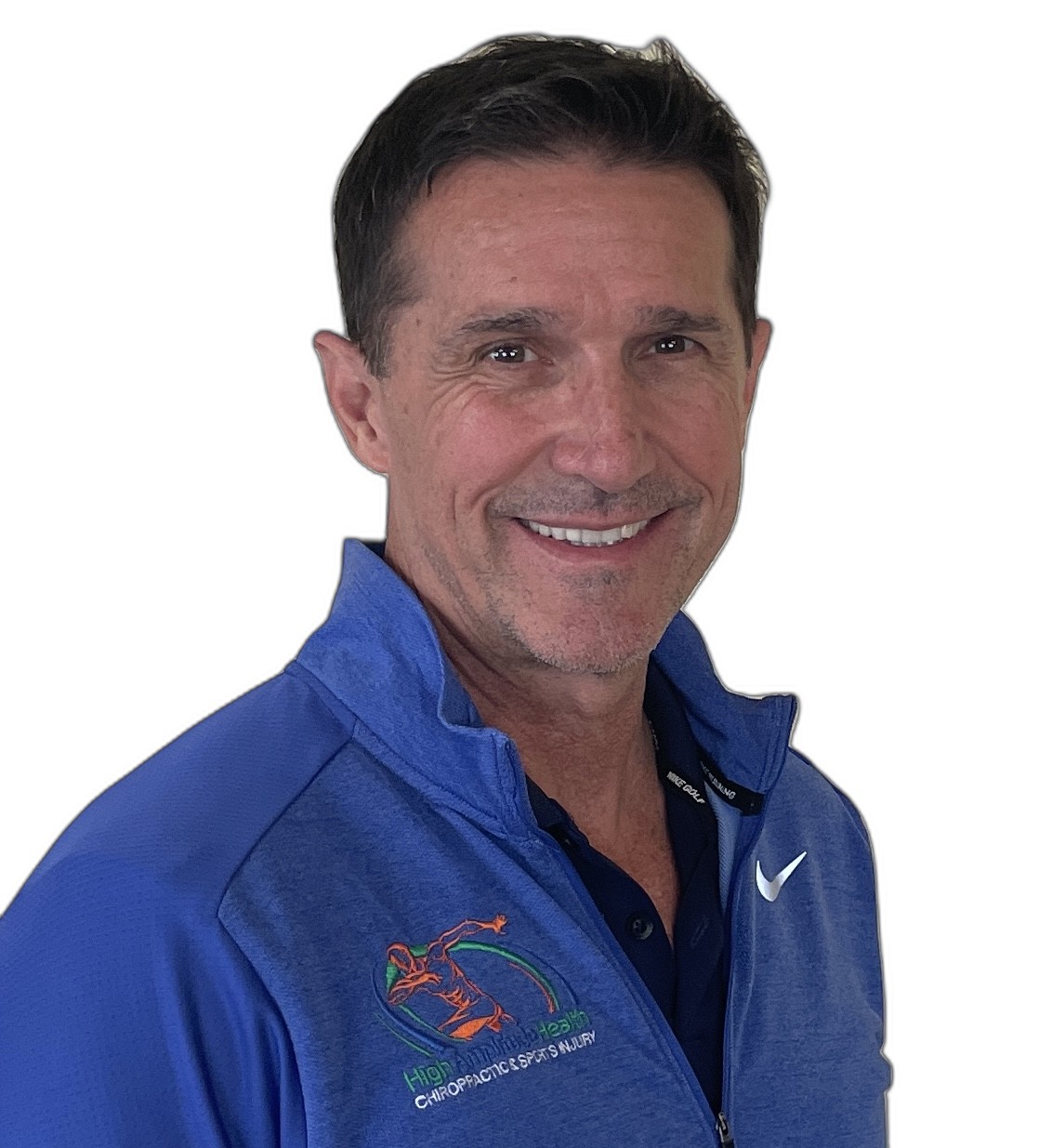
Dr. John Blenio — Plantar Fasciitis Treatment Specialist, High Amplitude Health San Mateo
Frequently Asked Questions

Common questions about
plantar fasciitis

Can plantar fasciitis really be treated without cortisone shots or surgery? +
In most cases, yes. Plantar fasciitis treatment at High Amplitude Health centers on Active Release Therapy and myofascial release to the calf, Achilles, and plantar fascia itself, paired with a progressive exercise therapy program to rebuild strength in the arch and foot. This addresses the tightness and weakness actually driving the pain, rather than just numbing it.
What actually causes plantar fasciitis? +
The most common driver is tight calf muscles and Achilles tendon pulling on the heel, combined with weak intrinsic foot muscles that let the arch collapse under load. This is often aggravated by a sudden increase in running or walking, worn-out or unsupportive footwear, or long hours spent standing on hard floors.
Why does my heel hurt the most with my first steps in the morning? +
That first-step heel pain is one of the clearest signs of plantar fasciitis. The fascia tightens overnight while you sleep, then gets abruptly stretched again the moment you step down. Releasing the calf and fascia tension with hands-on therapy, along with a calf and plantar-fascia stretching routine, is usually what reduces this specific symptom fastest.
How is plantar fasciitis treated at High Amplitude Health if Dr. John is a chiropractor? +
Dr. John's chiropractic training gives him a thorough understanding of how the foot, ankle, knee, and hip work together, but plantar fasciitis itself is treated primarily as a soft tissue and movement problem. Most of the work is Active Release Therapy, myofascial release, and exercise therapy targeting the calf, Achilles, and foot. Chiropractic adjusting of the foot or ankle joints is used only when a mobility restriction there is part of what's contributing to your pain.
How many visits does plantar fasciitis relief usually take? +
Many patients notice a reduction in morning heel pain within the first few visits, but plantar fasciitis is a tissue that heals slowly, so a full course of care combining hands-on treatment with home stretching and strengthening exercises typically runs 4-8 weeks depending on how long you've had symptoms.
Is plantar fasciitis from running or being on your feet all day something you treat? +
Yes — this is one of the most common patterns we see, whether it's from training mileage, a job that keeps you standing most of the day, or worn-out footwear. Treatment combines hands-on release work with plantar fasciitis exercises and gait or footwear guidance, so the pain doesn't simply return once you're back on your feet.
When should I see a doctor instead of coming in for plantar fasciitis? +
See a physician first if your heel or foot pain came on suddenly after an injury, is accompanied by significant swelling, redness, or warmth, involves numbness or tingling, or if you have diabetes and are noticing any foot pain or changes at all. If you've already been doing appropriate stretching and strengthening without any improvement after several weeks, that's also worth a medical evaluation, and Dr. John will tell you plainly if your case looks like it needs imaging or a referral.

Don't spend another morning
wincing through heel pain.

Join hundreds of San Mateo patients who've found lasting plantar fasciitis relief — without drugs, injections, or surgery — using Dr. John's hands-on, root-cause approach.

Schedule an Appointment

Or call / text us: 650-735-1716